The guide
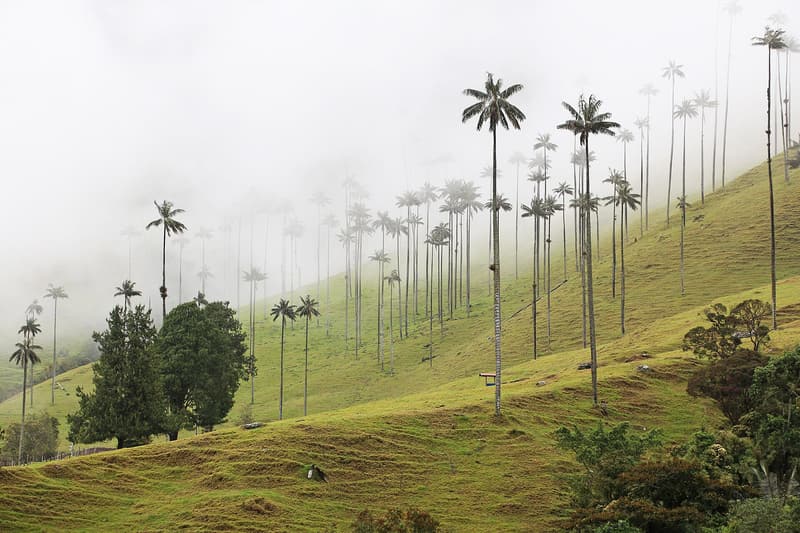
Cocora is the reason most people come to Salento: green hills bristling with wax palms — the palma de cera, Colombia’s national tree — that can reach about 60 metres and take some 80 years before they first flower.
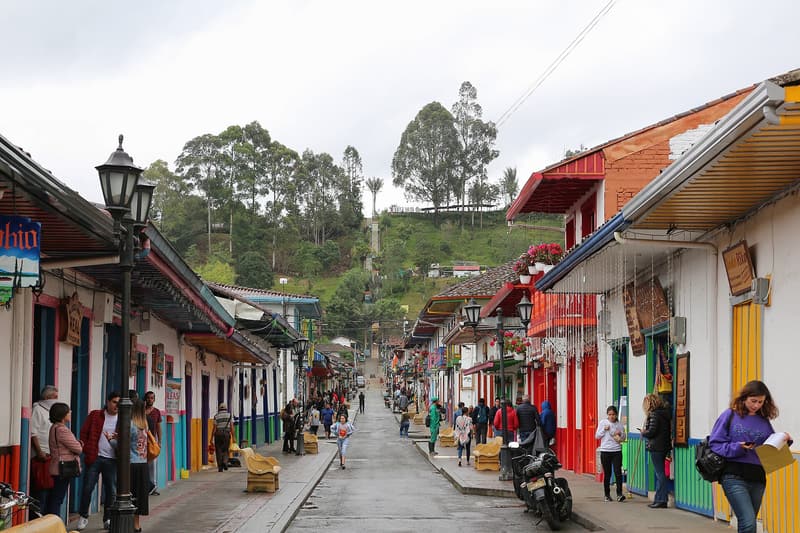
The jeeps leave from Plaza de Bolívar, about a block from the hostel. From the drop-off you choose your day: a short walk to the main palm viewpoints, or the long circuit through cloud forest and over hanging bridges, with an optional detour to the Acaime reserve and its hummingbirds.
The Willys from the plaza
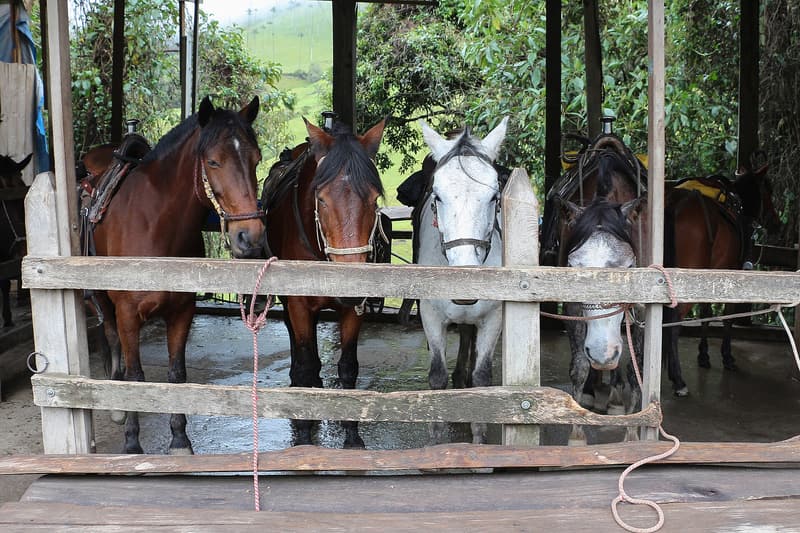
Salento’s classic jeeps gather in Plaza de Bolívar and are run by a local cooperative. You can share one or hire it privately; shared jeeps generally leave when they fill up.
No official timetable or fare is published, and what you’ll read online disagrees — confirm the current schedule and price in the square, and keep cash handy.
Two ways to do the valley
Short and sweet: walk from the drop-off to the palm-covered hills and viewpoints and come back the same way — about 30 to 60 minutes, longer if you wander through private photo spots.
The full loop: around 12–13 km and 5–6 hours through pasture and cloud forest, crossing the Río Quindío on hanging bridges. Start early; afternoons often bring cloud and rain.
Acaime, the hummingbird house
Reserva Natural Acaime protects 200 hectares of cloud forest at 2,600–3,100 m and is home to more than 15 hummingbird species, according to CIPAV, the research foundation that owns it. From Cocora it’s a 4.5 km trail — about 2 to 4 hours one way.
Near the park — not inside it
Cocora is often described as part of Los Nevados National Park. According to Parques Nacionales, the park boundary is about 14 km beyond vereda Cocora — the valley is the gateway to the high mountains, not the park itself.
Some farms have added swings, frames and photo stops in recent years, and trails cross private land. Respect the signs, pay the farm fees and take your rubbish back with you.
The palm itself
Ceroxylon quindiuense was declared Colombia’s national tree by law in 1985, and felling it is prohibited. It is also home ground for the endangered yellow-eared parrot.
Wax palms in the mist, Valle de Cocora Destination photo — not the hostel Willys jeeps waiting in Cocora Destination photo — not the hostel Cerro Morrogacho from the Cocora Valley Destination photo — not the hostel Low cloud over the palms (2025) Destination photo — not the hostel Looking up a wax palm Destination photo — not the hostel